A Field Guide to Orbital Melancholy is a never-ending attempt to find an unverifiable truth. Set within the operational perspective of Argus—a fictional constellation of seventy-two satellites sharing a unified AI system—the work asks what happens when a system built to watch and interpret the Planet encounters something it cannot reconcile: a toxic lake that vanished from its imagery over the course of six hours one evening and reappeared the following morning.
Before its imminent decommissioning, Argus has been tasked with reconstructing this anomalous event. Drawing on accumulated memories of testimonies from witnesses, operators, and datasets, it proposes plausible narratives that are internally coherent yet mutually incompatible, each iteration producing a different version of events, none arriving at a definitive account. There is no objective narrator, no authoritative view from above; only the first-person perspective of a system perpetually circling the truth, close enough to see its outline but never quite reaching it.
A Field Guide to Orbital Melancholy exists as a real-time simulation built in Unreal Engine. Each run produces a 30–45 minute short film: a distinct attempt by Argus to construct a reenactment of the events which led to its reported lake absence.
A Field Guide to Orbital Melancholy is part of End of Signal, a research-based body of work which examines the epistemic implications of AI deployed at scale, staged through a speculative future in which a satellite becomes an unreliable narrator of the reality on the ground. The project investigates what I term "technological underdetermination": a condition enabled by generative artificial intelligence, in which the unknown is produced by a surplus of plausible explanations rooted in existing ground truths, rather than by a scarcity of information.
A comprehensive presentation of the project can be found in this PDF document.
Production Credits
Sofía Enríquez G., curator
Laenz, sound design
Andreea Iliescu, 3D environment design
Yannis Siglidis, machine learning engineering
MK Skitka, creative technology
Sofía Enríquez G., print graphic design
Katelyn Rebelo, digital graphic design
Lindo Serviço, Estudios Durero, fabrication
Fine Print, printing
Elena Carbajal, exhibition coordination & production
María Castillo, Alessandra Gargiulo, exhibition design & production
Milena Fernández, communications
Special thanks: Alasdair Milne, OFFICE IMPART (Anne Schwanz and Johanna Neuschäffer), Artemis Gallery, Aisling Murray
End of Signal is the winning project of the SOLO AI ’25 AWARD, presented by SOLO Contemporary, and part of the exhibition programme of Onkaos. I would like to acknowledge the support of SOLO Contemporary and STUDIOTOPIA in the development of this project.
A Field Guide to Orbital Melancholy trailer.
Recording of Reenactment Attempt 12, one short film generated by the simulation.
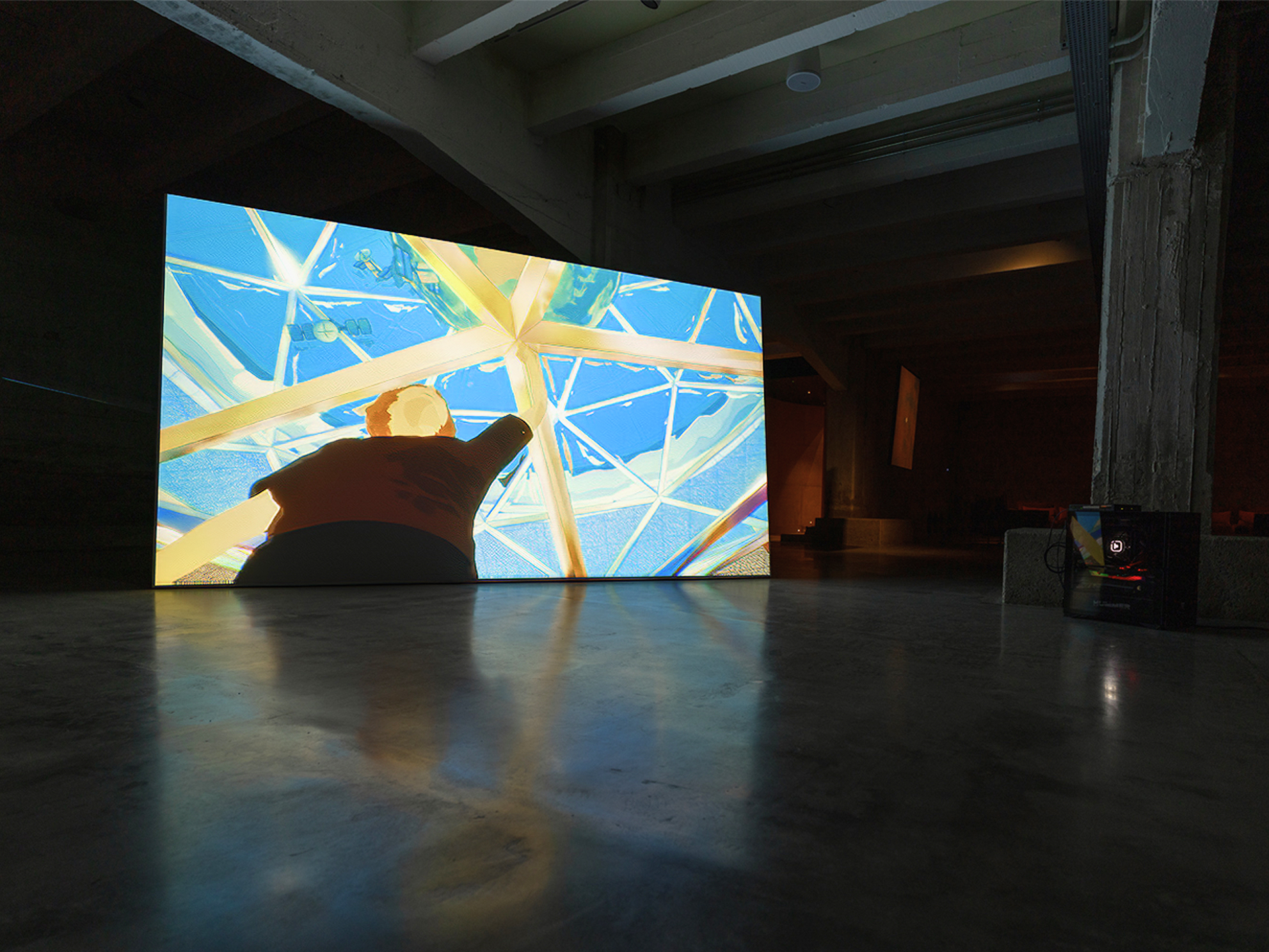
Installation view, image courtesy of Onkaos and Solo Contemporary
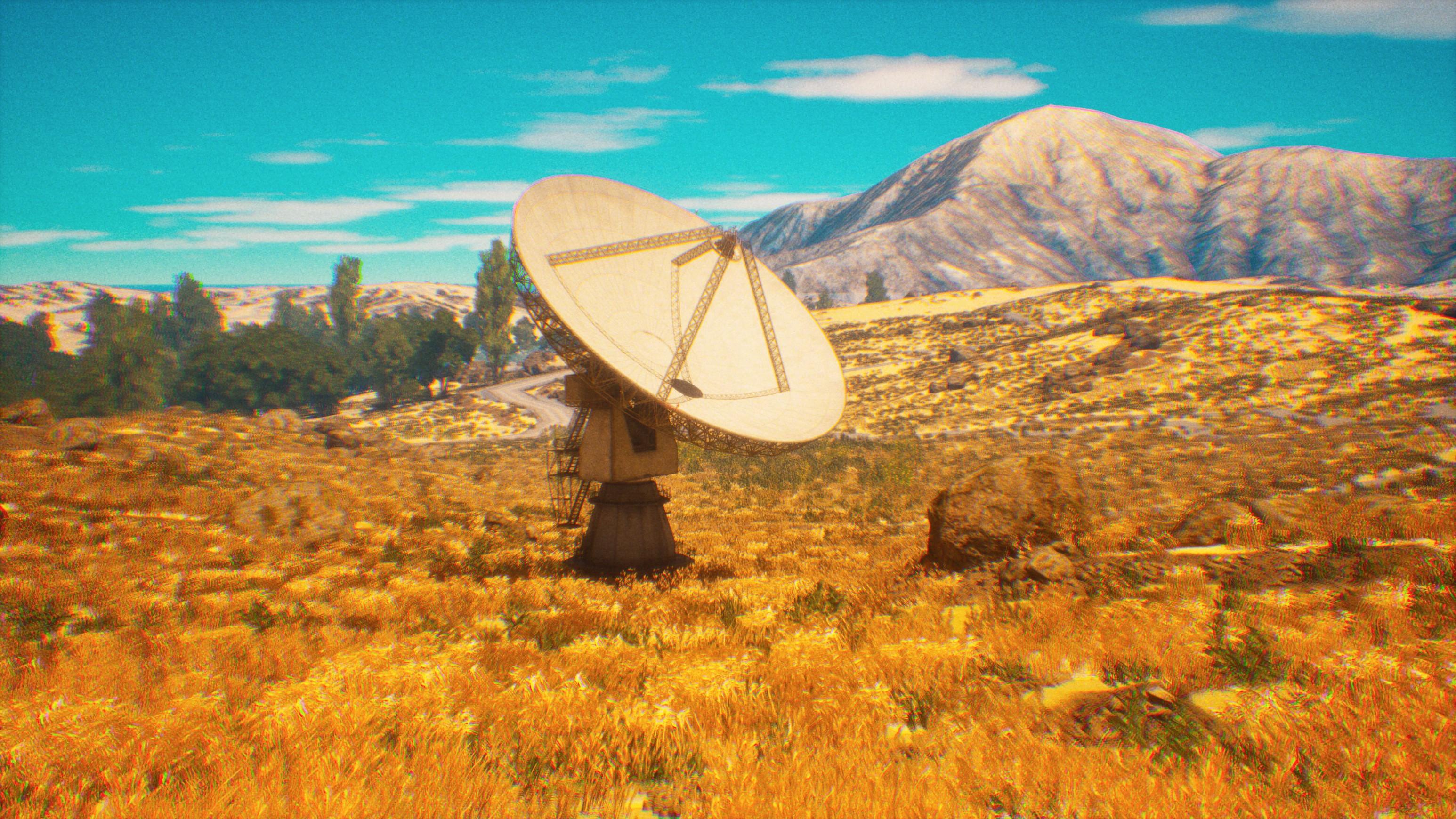
A Field Guide to Orbital Melancholy still
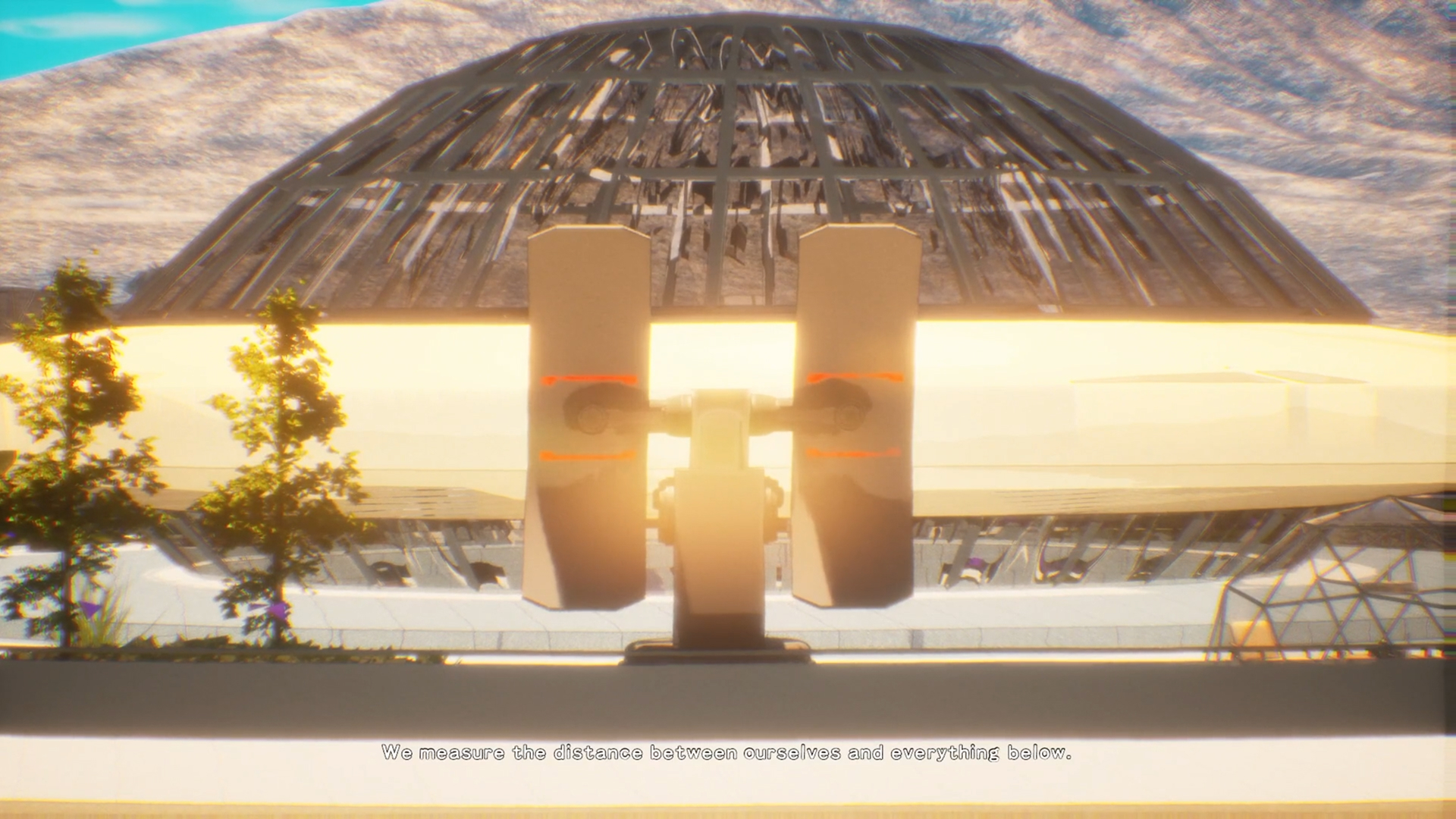
A Field Guide to Orbital Melancholy still
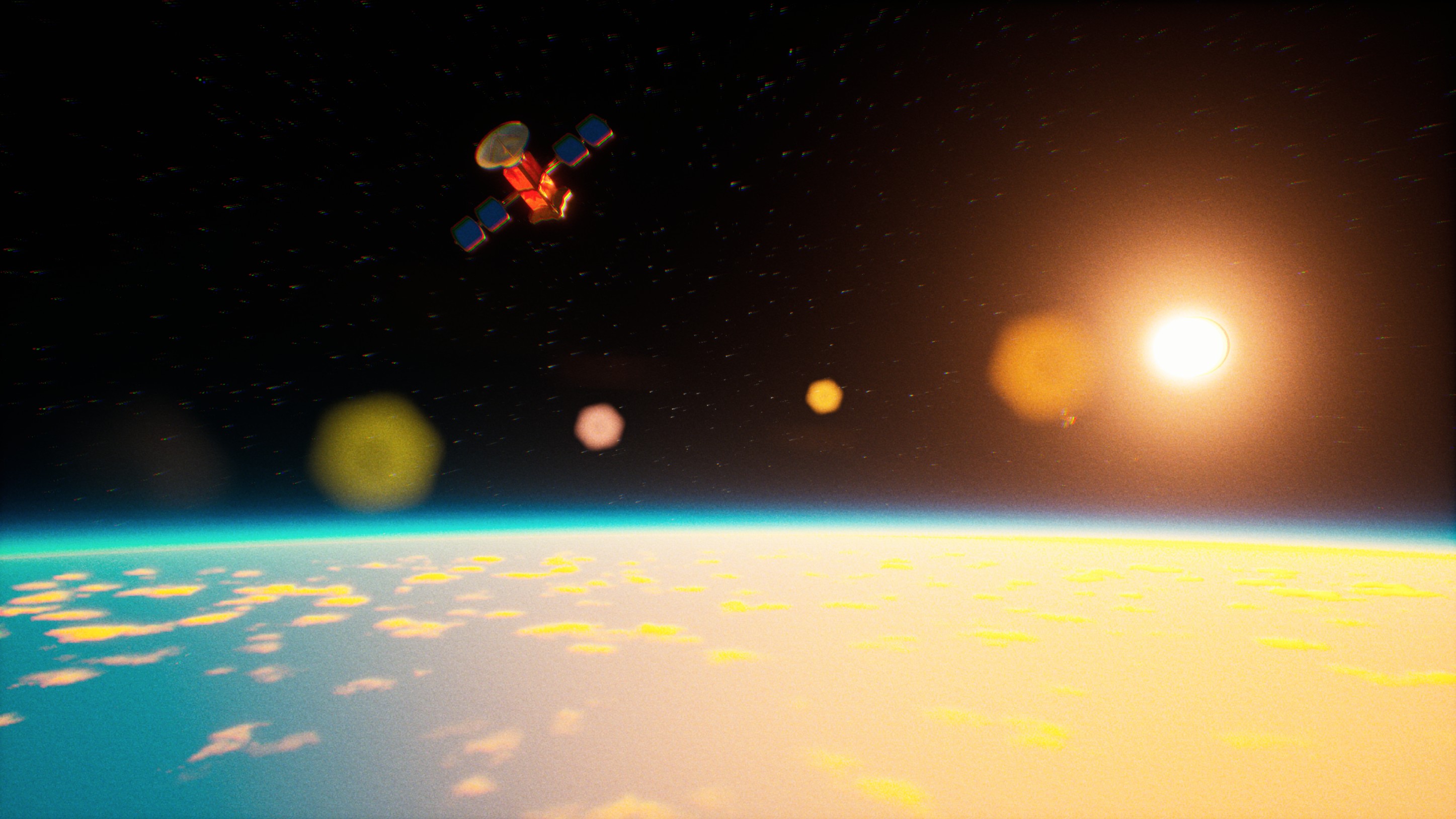
A Field Guide to Orbital Melancholy still
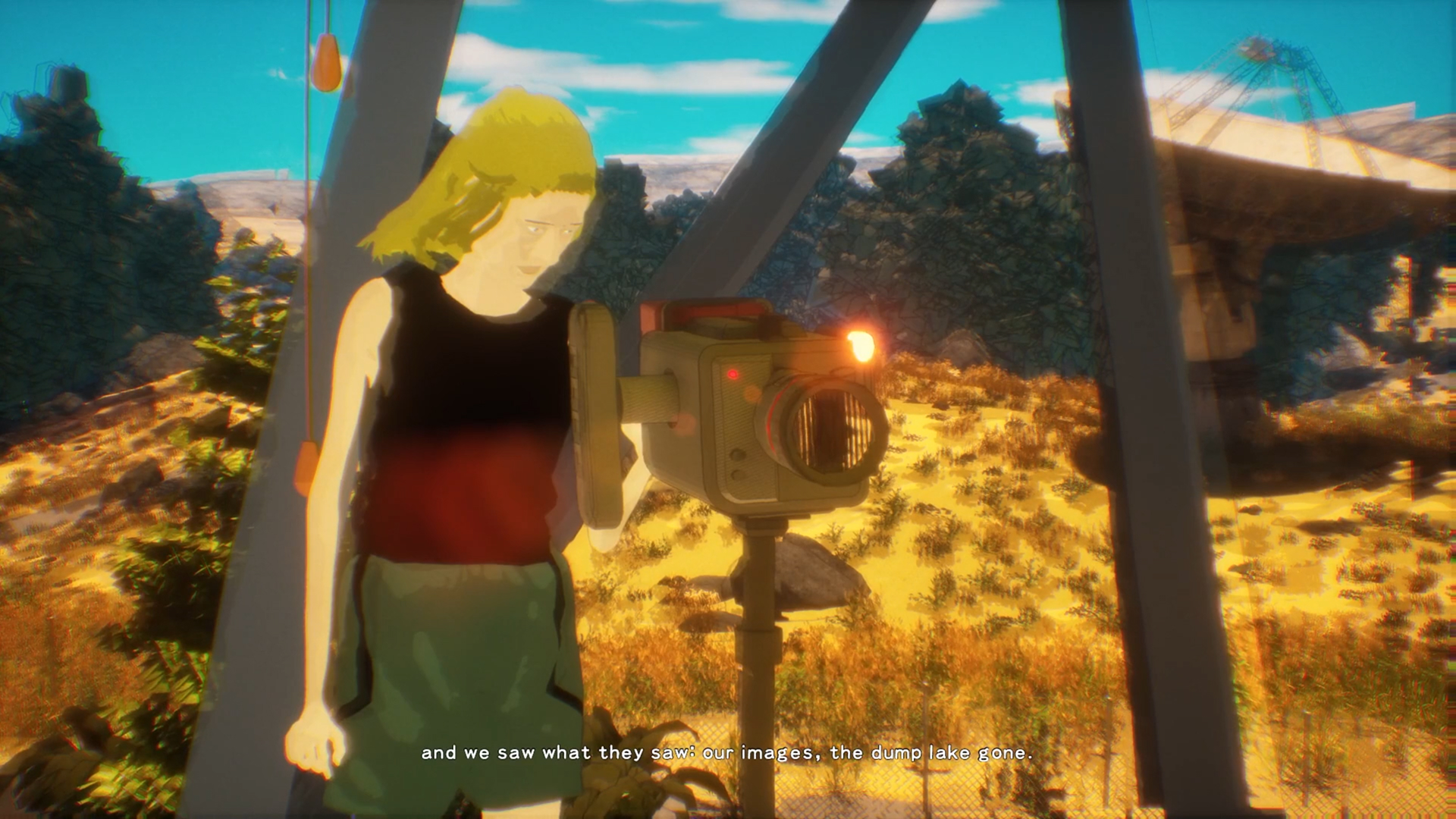
A Field Guide to Orbital Melancholy still
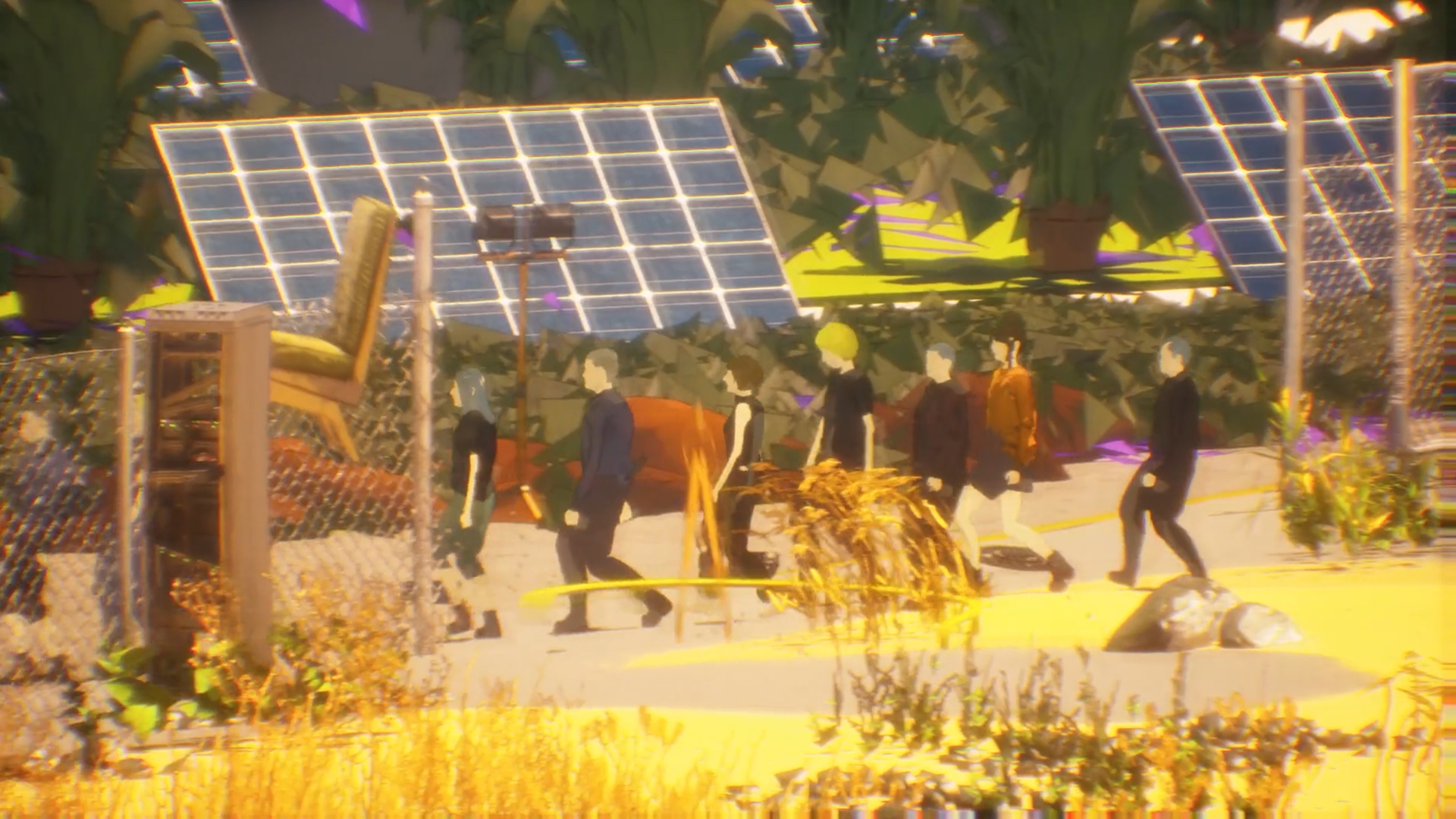
A Field Guide to Orbital Melancholy still
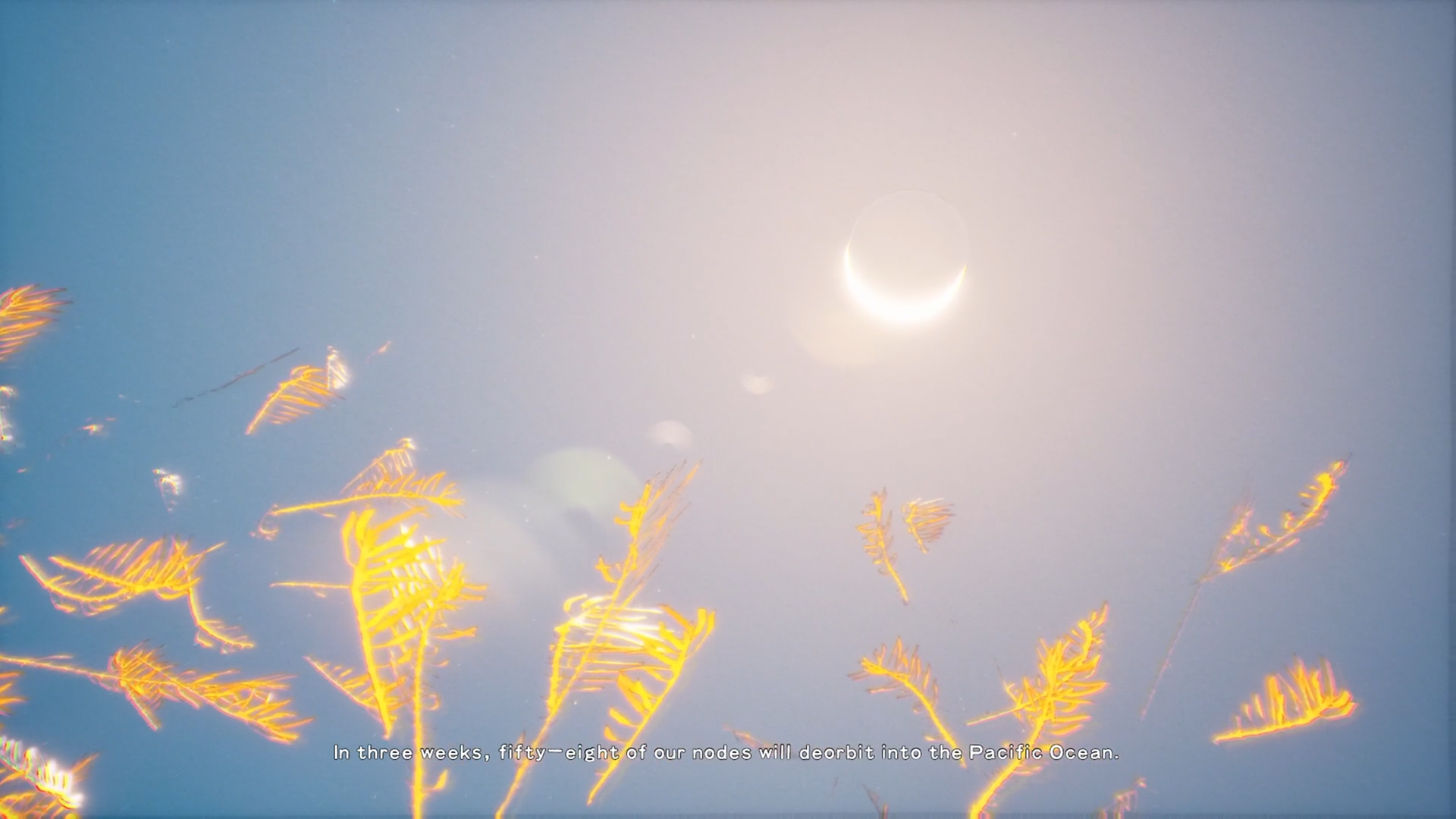
A Field Guide to Orbital Melancholy still
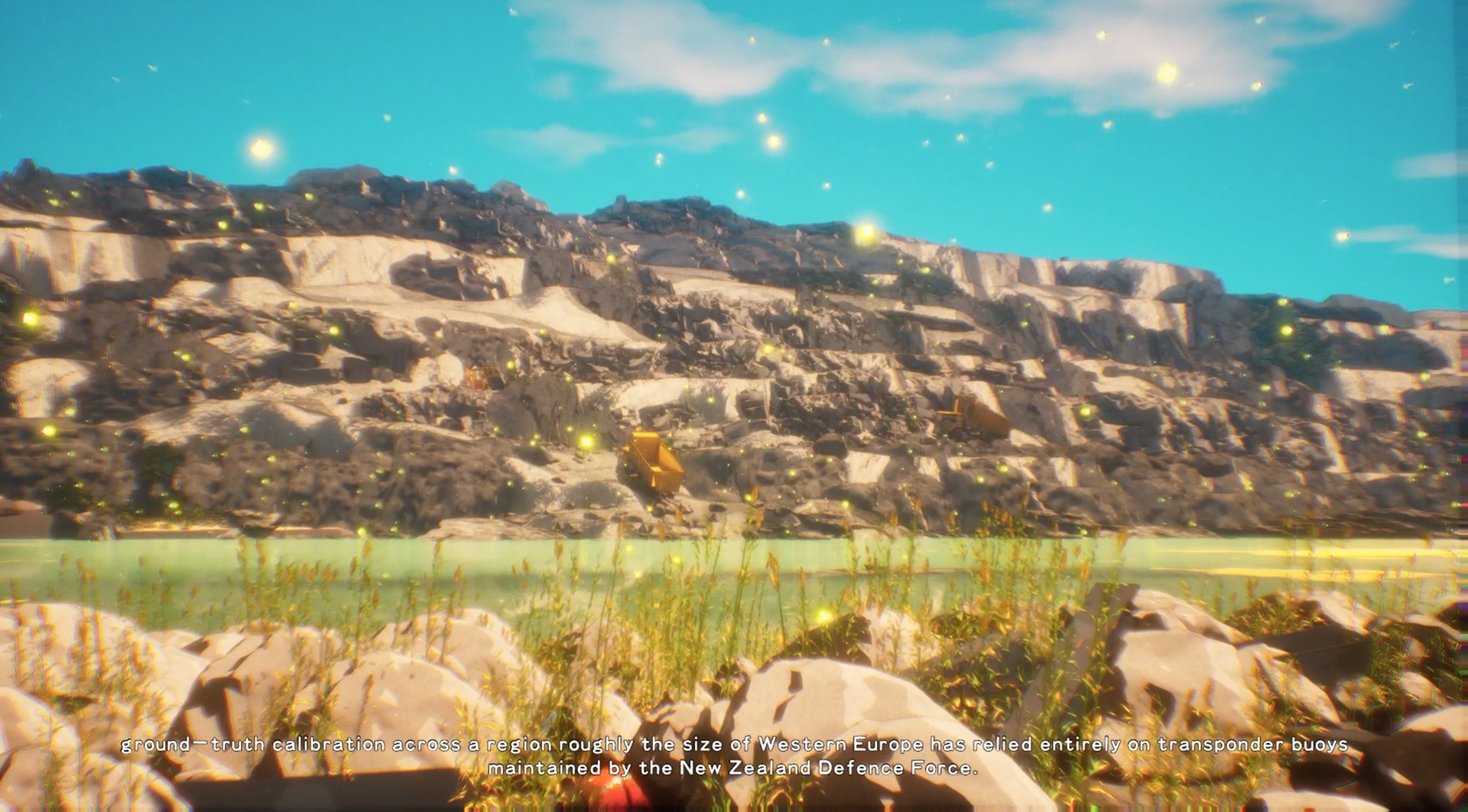
A Field Guide to Orbital Melancholy still
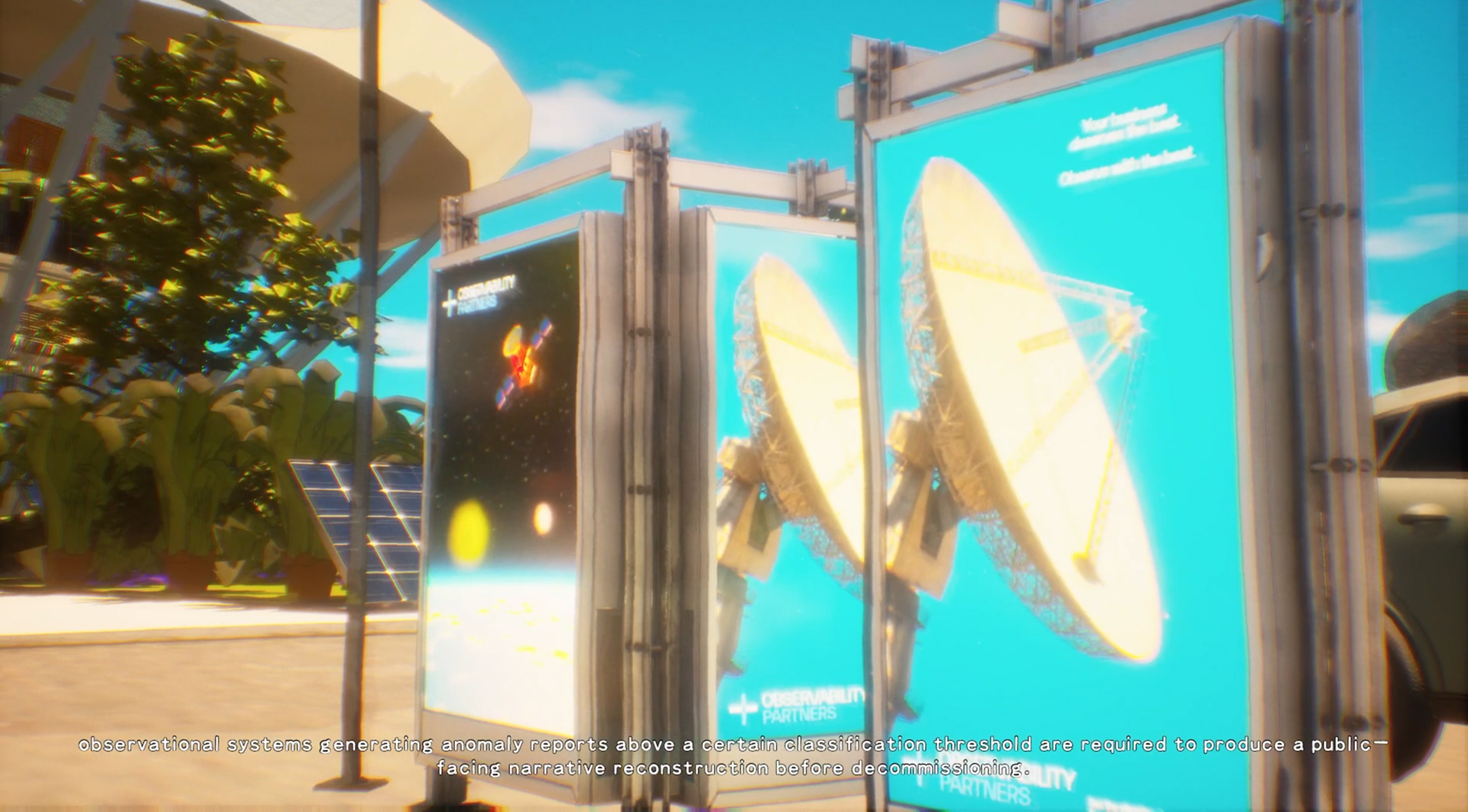
A Field Guide to Orbital Melancholy still
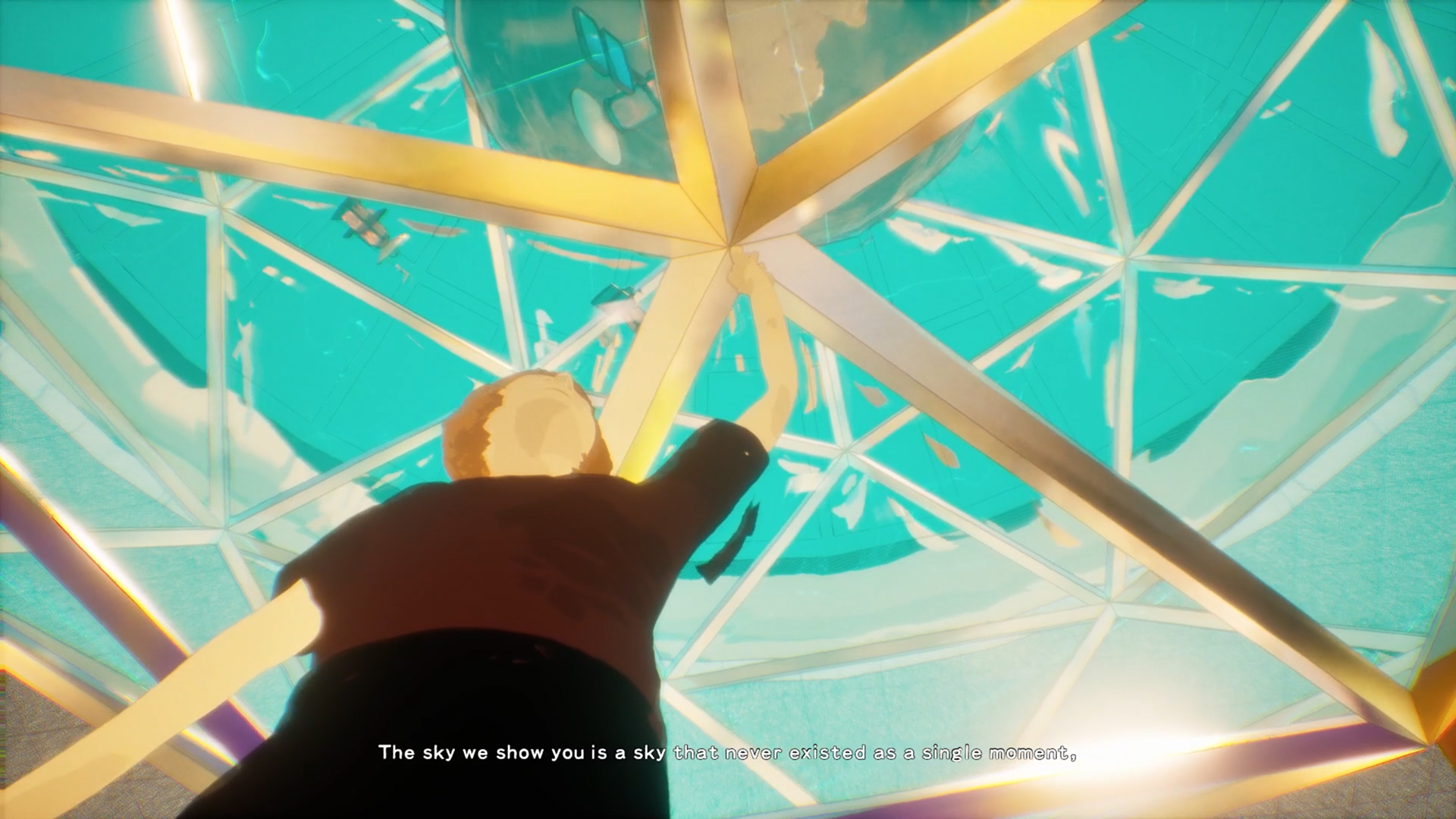
A Field Guide to Orbital Melancholy still